Gov. Ned Lamont has signed a bill into law that will subsidize interest rates on loans to teachers who commit to teaching in one of Connecticut’s highest need school districts.
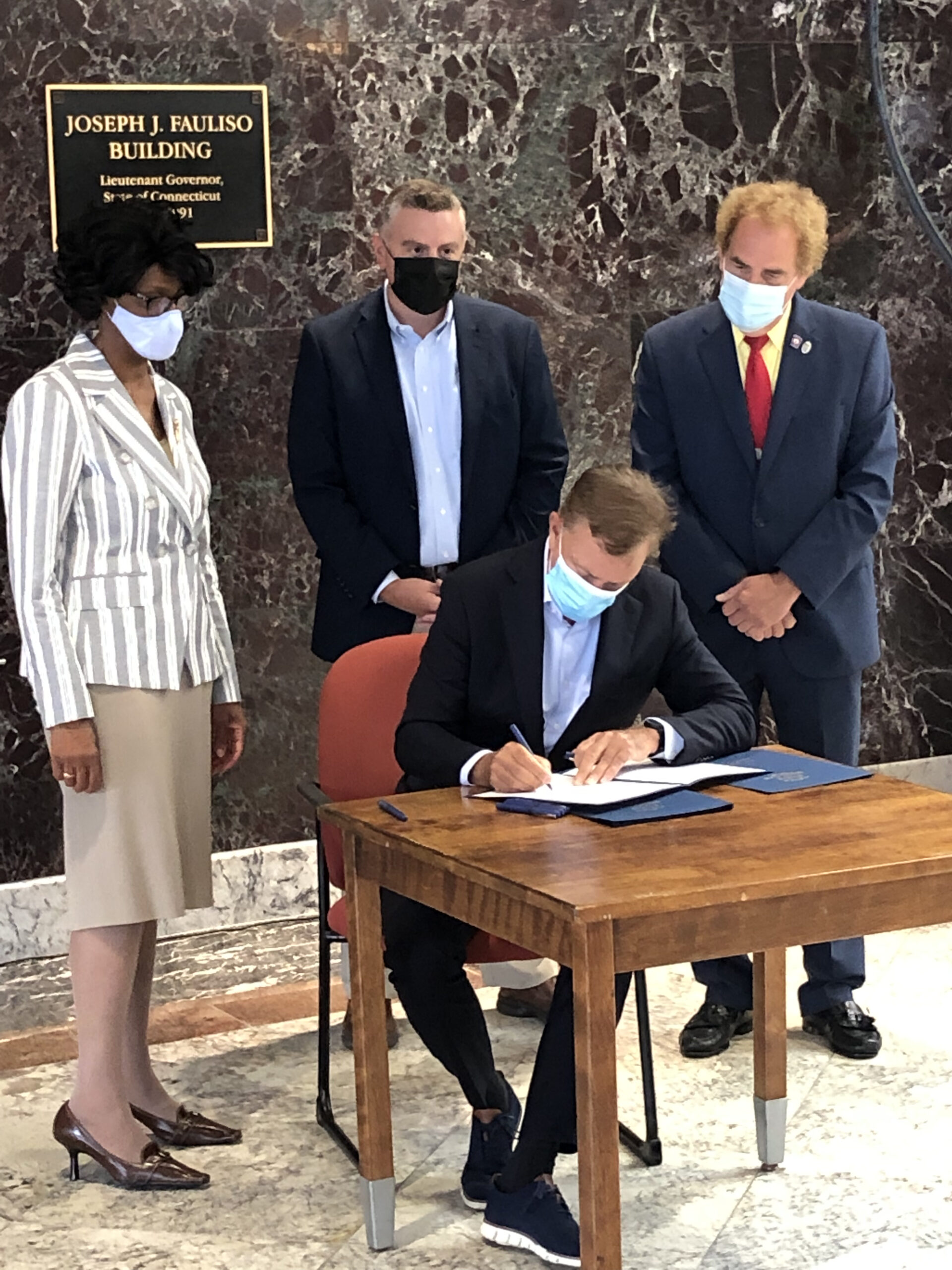
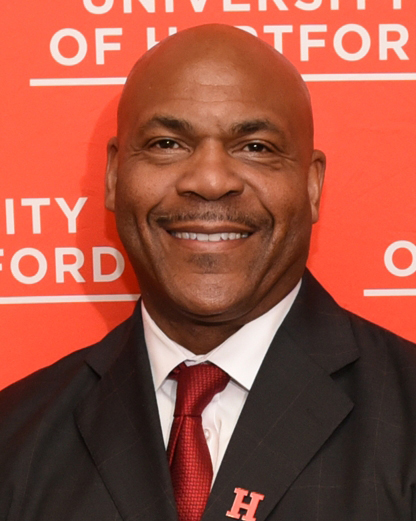
Gov. Ned Lamont signs the bill accompanied by Commissioner Charlene Russell-Tucker, Rep. Jason Doucette, and Rep. Tom Delnicki.
The loan subsidy program is among state initiatives to address persistent shortage areas and support the recruitment and retention of teachers in districts that typically experience high turnover. This is one of the steps being taken to build an educator workforce that reflects the racial, ethnic, and linguistic diversity of Connecticut’s students.
CHESLA, the Connecticut Higher Education Supplemental Loan Authority, will administer the Alliance District Teacher Loan Subsidy Program. The 33 Alliance Districts are those with the highest need for state support.
Gov. Lamont was joined by educational leaders and legislators who spoke a signing ceremony at the State Department of Education (SDE) in Hartford.
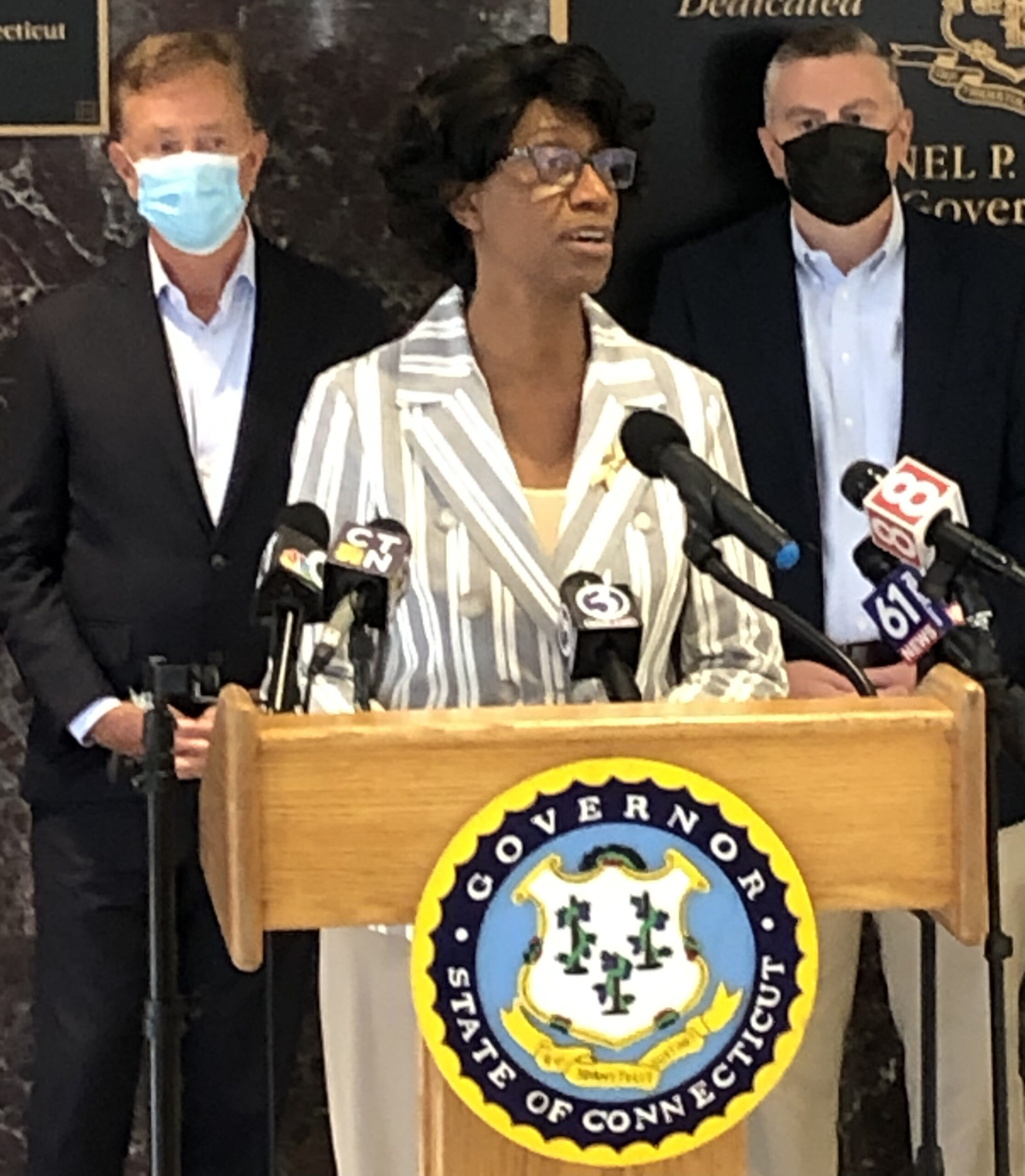
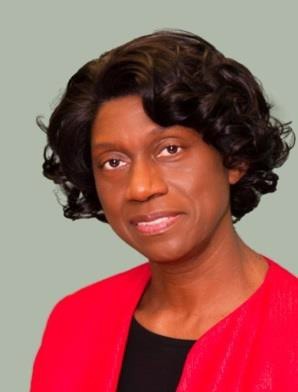
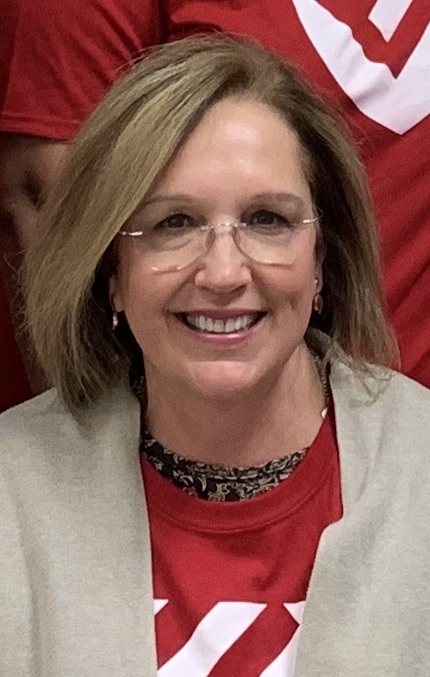
Dr. Shuana Tucker welcomes attendees to the State Department of Education.
Dr. Shuana Tucker, chief talent officer at the SDE, noted the progress made in recent years in diversifying the state’s educator workforce. During the past five years, Connecticut school districts have hired 1,900 educators of color, increasing the number of educators of color from 8.3 percent to 10 percent.
“While we have made progress in our diversification efforts, there is still more to be done,” Dr. Tucker said. “We remain steadfast in our commitment to continue addressing barriers that may prevent some from pursuing or entering the education profession.”
Before signing the bill into law, Gov. Lamont said, “By establishing this student loan subsidy program, we are building upon and accelerating our efforts to cultivate and support the next generation of highly effective and diverse aspiring educators.”
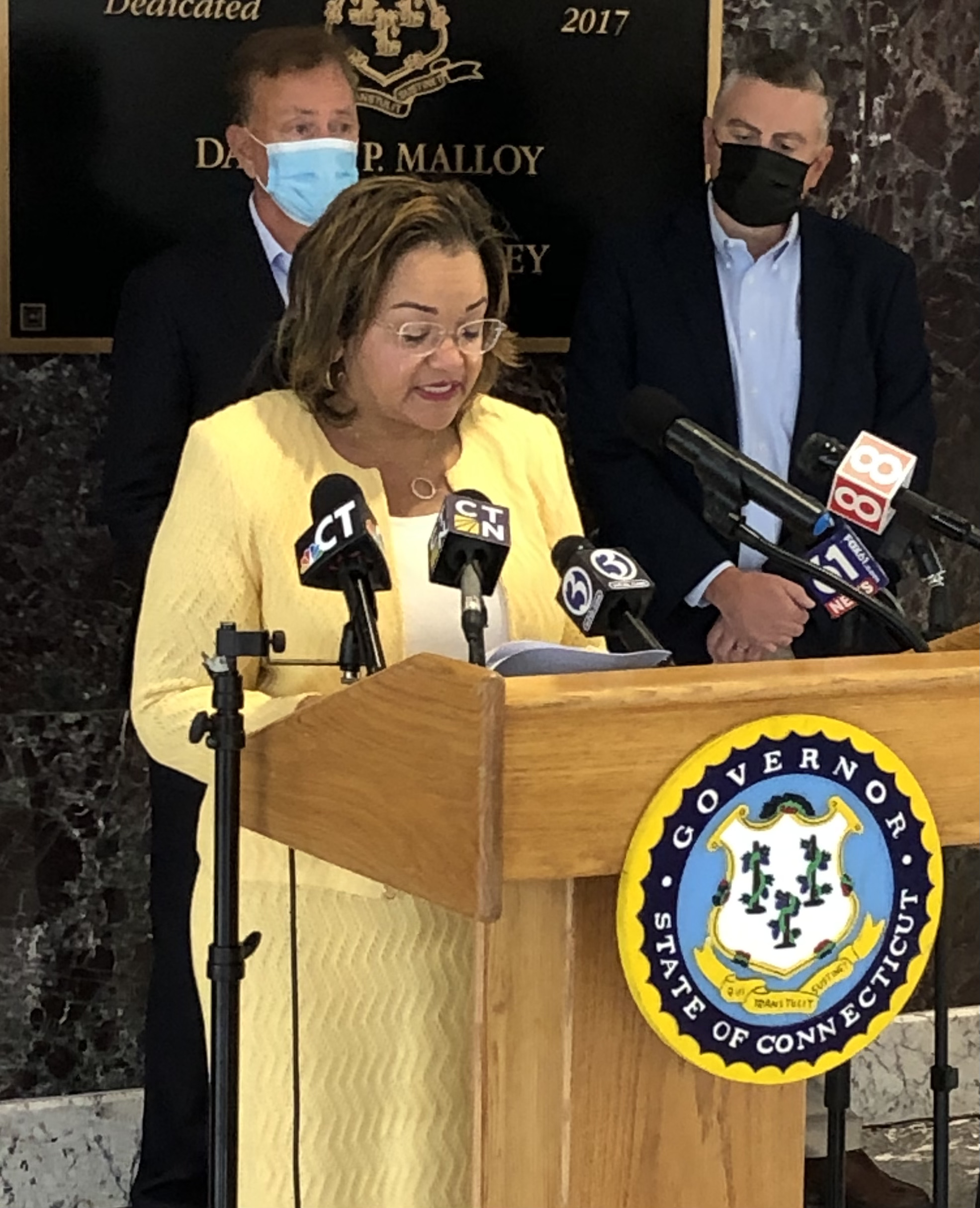
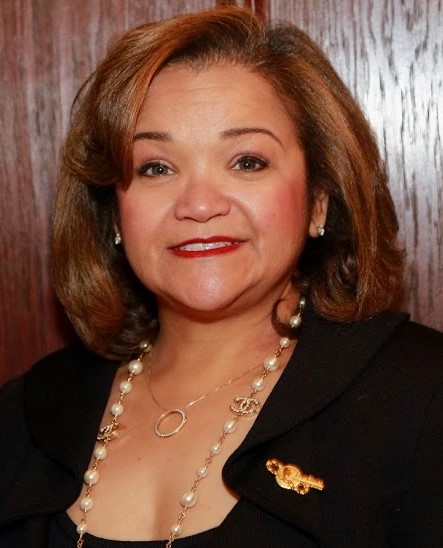
Commissioner Charlene Russell-Tucker praises the law.
Connecticut Education Commissioner Charlene Russell-Tucker said, “The Connecticut State Department of Education has made it a priority to make sure that our districts and schools are able to recruit and hire high-quality educators who are reflective of our increasingly diverse student body.”
Jeanette W. Weldon, executive director for CHESLA, said, “This legislation is an example of the unique way that CHESLA can impact workforce and community development. As the state-affiliated student lender in Connecticut, we can share the benefits of our low-cost funding with state residents in ways that also benefit Connecticut communities and school districts.”
The Alliance Districts are Ansonia, Bloomfield, Bridgeport, Bristol, Danbury, Derby, East Hartford, East Haven, East Windsor, Groton, Hamden, Hartford, Killingly, Manchester, Meriden, Middletown, Naugatuck, New Britain, New Haven, New London, Norwich, Putnam, Stamford, Thompson, Torrington, Vernon, Waterbury, West Haven, Winchester, Windham, Windsor, and Windsor Locks.
A program called Educators Rising is among the many initiatives underway in Connecticut to encourage more people of color to become educators.
EdRising starts early, providing coursework and internships to high school students in 14 school districts across the state. A majority of the participants are students of color.
Since the program started several years ago in New Britain, many graduates are in college and some have become teachers.
Leaders Speak at Annual Conference
More than 550 high school students attended EdRising’s first annual Connecticut State Conference, a virtual gathering, on March 31. Dr. Shuana Tucker, chief talent officer at the State Department of Education, hosted the conference. Sponsors of the conference — CCSU, AFT, New Britain AFT, CEA, CABE and Educational Testing Service/Praxis – funded the awards for the students.
Dr. Shuana Tucker
U.S. Secretary of Education Miguel Cardona, who received an Alma Exley Scholarship in 1998 as a student at Central Connecticut State University (CCSU), welcomed the students. In panel discussions, students described how EdRising has affected their educational journeys.
Dr. Cardona was among the public officials and educational leaders who encouraged the students to become teachers. Among them were Gov. Ned Lamont; Rep. Jahana Hayes of the Fifth Congressional District; State Sen. Douglas McCrory and State Rep. Bobby Sanchez, co-chairs of the General Assembly’s Education Committee; and Acting State Education Commissioner Charlene Russell-Tucker.
‘We Need You’
Gov. Lamont, who has supported a number of educator-diversity initiatives, called teaching “an incredibly important profession,” and said, “Be a teacher. We need you as teachers more than ever right here in Connecticut.”
Gov. Ned Lamont
‘Be the Teacher You Did Not Have’
State Sen. Douglas McCrory, who taught for 30 years, said, “This profession needs you and I need you, but more importantly, your neighborhoods, your communities and families across Connecticut need you.”
State Sen. Douglas McCrory
Sen. McCrory, who represents Hartford, Bloomfield and Windsor in the State Senate, said, “Be the teacher you did not have in your classrooms. All the research in the world shows that when students are taught by a diverse teacher population everyone wins. We do not have enough teachers who look like me in our schools. Less than one percent of teachers in Connecticut are male teachers of color. That’s terrible.
“Stay engaged, stay inspired. Join the greatest profession there is. You will lift the minds and spirits of young people for the rest of your life. I want you to be the great teachers for the next generation.”
EdRising Is ‘Critically Important’
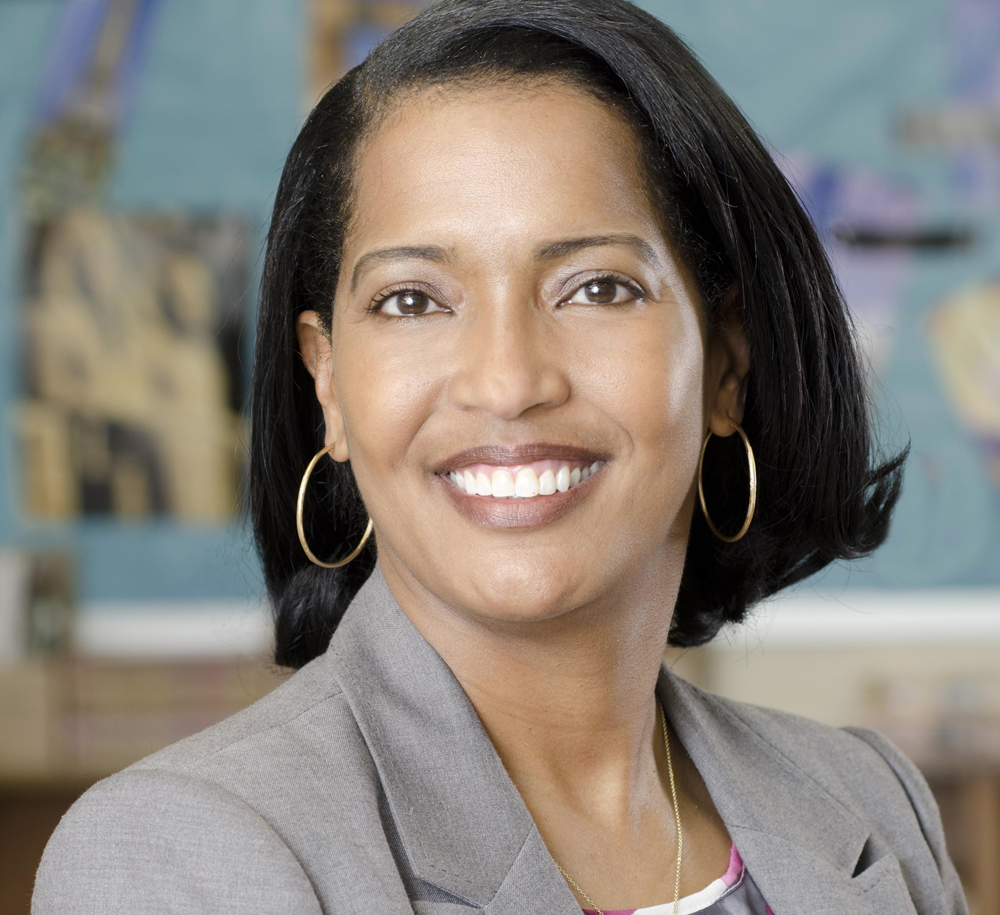
U.S. Rep. Jahana Hayes of Waterbury said, “Programs like EdRising are critically important” because they help young students to understand what they need to do to prepare for careers in education. “This is the type of program I wish I had when I was in high school.”
U.S. Rep. Jahana Hayes
She said the American Rescue Plan will provide funds to bring greater diversity to the education profession. “We must get people from our own minority communities interested in education and have them return to their communities to teach.”
Rep. Hayes has introduced the Teacher Diversity and Retention Act, which would provide two grants. One would support teacher recruitment and training at minority-serving institutions such as Historical Black Colleges and Universities (HBCUs). The other would expand educator-preparation programs in high schools as well as in colleges.
She also supports the Save Education Jobs Act of 2021, which would provide funds to save four million education jobs in support areas such as guidance counselors.
“I’m going to continue to fight to make sure you have the resources to pursue your dreams,” she said, “because, in turn, all of our communities benefit.”
Allocating State Resources
State Rep. Bobby Sanchez of New Britain, co-chair of the Education Committee, said, “I’m working on measures that incentivize a diverse population in the pursuit of teaching careers by allocating the necessary resources and programs.
State Rep. Bobby Sanchez
“One of the toughest challenges we face is ensuring we have a large enough pool of people to fill teaching positions across the state. That’s why partnerships with organizations such as Educators Rising is essential to making sure we prepare the future generation of teachers. Educators Rising is here every step of the way, offering support and expertise. I look forward to many more students pursuing this noble profession.”
Secretary Cardona: The Impact of Inspiring Teachers
Dr. Miguel Cardona welcomed the students remotely from his office in Washington. “Teachers shape lives,” he said. “I can think of a teacher in high school who inspired me to look at art as a means for communication and expressing your values. She inspired me so much that I chose to be a teacher.
Education Secretary Miguel Cardona
“Teachers have that impact. She was a mentor to me. You will have the opportunity to benefit from mentors and then in the future to serve as mentors. Teachers can make anything possible.
“I know you will do great in the program. I know you will learn from one another, and I look forward to hearing about you as future teachers.”
Committed to Diversity
Acting State Commissioner of Education Charlene Russell-Tucker said, “We’re committed to increasing the racial, ethnic and linguistic diversity of our educator workforce by expanding new and unique pathways like Educators Rising and NextGen Educators.
Commissioner Charlene Russell-Tucker
“We all understand the sense of urgency right now about increasing the number of educators of color and encouraging students early on to consider careers in education,” she said.
“Research tells us that a diverse educator workforce – one that is a reflection of the students we serve – goes a long way toward strengthening our schools and positively impacting outcomes for all students of all races.
“We want to embrace diverse education candidates,” she said, “and give you the hands-on, authentic experience and skills necessary to become highly effective educators.”
‘What EdRising Means to Me’
Students described EdRising’s impact in a panel discussion moderated by Sandy Fraioli, the teacher leader in residence for the Connecticut State Department of Education and a teacher at New Britain High School (NBHS).
Sandy Fraioli
Deseriah Castillo, an NBHS graduate now at CCSU, said, “EdRising has enabled me to receive first-hand experience in the classroom. I had the opportunity to give back to the elementary school that I attended. The program has motivated me to become an educator in the community I came from.”
Jen Gustafson, an NBHS student, said, “EdRising is enabling me to learn about the different cultures, backgrounds and needs of my future students as well as the social issues they face. Educators need to meet the basic needs of their students no matter their race, ethnicity, gender, sexuality or religion.”
Dallas Bastek, also an NBHS student, said she is intent on helping her future students by embracing their knowledge and skills. “We’re learning techniques that will enable us to serve all students,” she said.
José Carillo, an NBHS student who is the national EdRising president, said, “EdRising has opened so many doors for me and has given me so many learning opportunities. It has helped me to be more professional and learn how to speak with educational leaders. I’ve learned there are not many teachers who look like me. I hope to be a role model.”
Giving College Students More Time in the Classroom
NextGen Educators is a program that gives hands-on, classroom experience to college students in teacher-preparation programs (prior to student teaching).
William Tucker, a student at CCSU, said, “NextGen has given me clinical experience working with diverse students, enabling me to be there for students in their time of need. It has given me a year and a half of additional time in the classroom, learning through meaningful experience rather than from textbooks.”
Chrystal Gordon, also a CCSU student, said the program has taught her what it means to be a teacher day-in and day-out. She has observed classes from second through fifth grade and has attended parent-teacher conferences. “I’ve learned how to provide effective instruction, how to design a lesson plan that enables students to have fun – and so much more.
Aspiring Educators Program
Michele O’Neill of the Connecticut Education Association (CEA), a teacher’s union, explained the Aspiring Educators Program for college students who aren’t yet enrolled in a teacher-preparation program. CEA has chapters at all five state universities as well as Quinnipiac University and the University of Saint Joseph. “The program dovetails nicely with EdRising,” she said. Student members have the opportunity to network with educators in school districts across the state.
Several years ago, the leadership of New Beginnings Family Academy placed a high priority on building a diverse staff.
The initiative has borne fruit as 53 percent of those who work directly with students are persons of color. This includes teachers, full-time teaching assistants, nurses and social workers.
What’s more, 57 percent of the school’s leaders are persons of color, including the director and the principals of the elementary and middle schools.
The charter school in Bridgeport serves pre-kindergarten through eighth grade students. Ninety-five percent of the students are children of color, and most come from low-income families.
Ronelle Swagerty, director and CEO
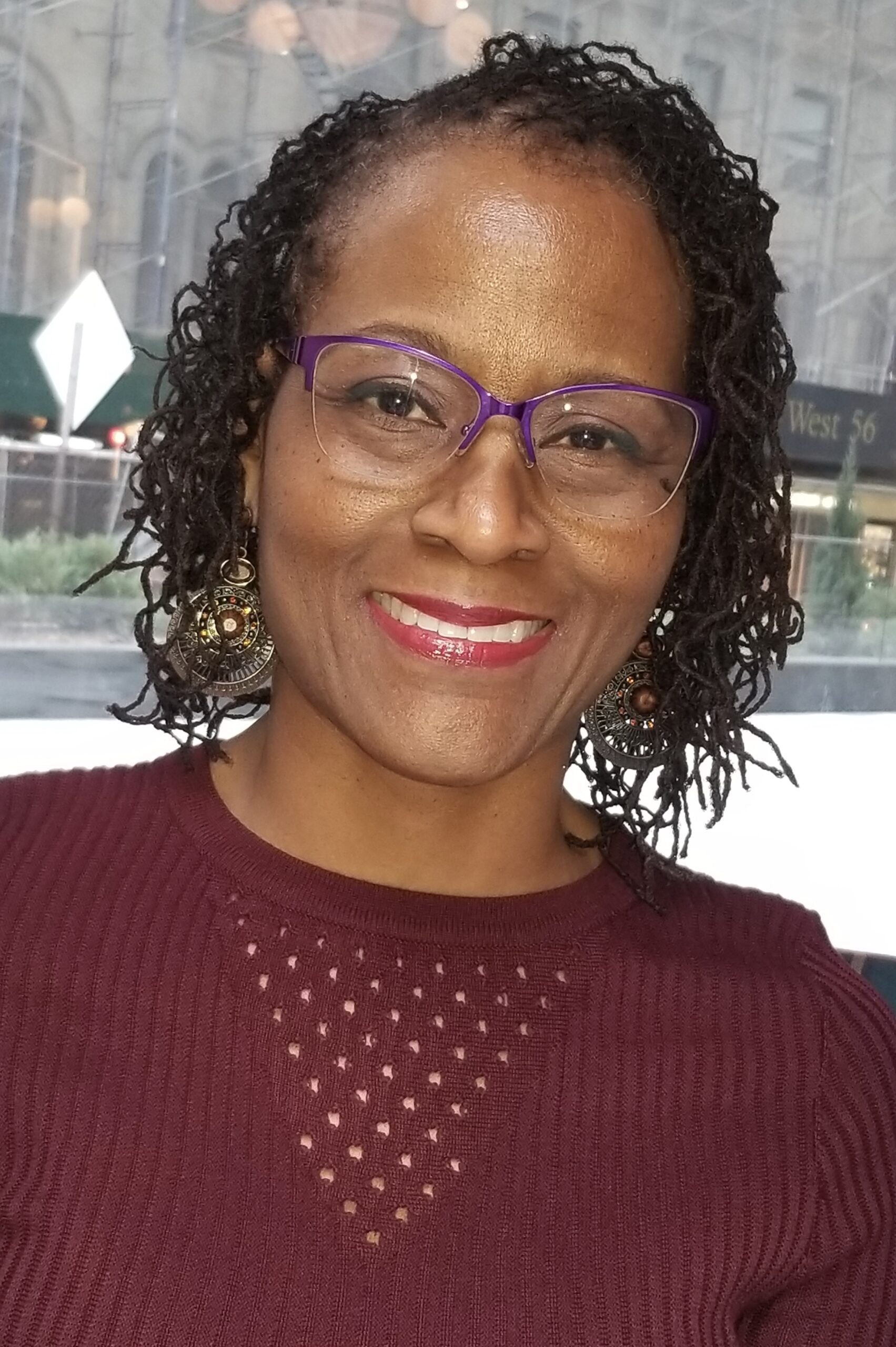
“We set out to hire qualified adults who look like the children we serve and whose cultural competency ensures deep, meaningful relationships,” says Ronelle Swagerty, director and CEO.
Emotionally Responsive Model
“Our educational model emphasizes emotional responsiveness, and it helps to have those cultural competencies in the classroom so children feel connected,” she says. “Relationships are key. I’m not saying relationships can’t be developed by others, but it’s nice for children to see so many adults in school who look like them.”
How did the leadership achieve such a diverse staff? They took a multi-layered approach that included word-of-mouth and advertising. The Human Resources office has a full-time manager and a part-time recruiter who attend every minority-teacher recruitment fair in the state and some beyond the state.
“Research has shown that children fare far better in an environment with adults who look like them,” Ms. Swagerty says. And teachers of color have an impact on families as well. Some members of the staff are immigrants who can communicate with parents in their own languages.
Diversity of Gender and Ethnicity
Valore Turner, principal of the middle school, says that diversity of gender is just as important as diversity of ethnicity. Currently, the middle-school teaching staff is 50 percent male and female. Before the push for diversity, there were only a few male teachers on the entire staff from Pre-K through eighth grade.
Valore Turner, middle school principal
“It’s important to have male teachers,” she says. “It’s beautiful to see my boys fall in love with reading for the first time simply because their language arts teacher is a man who loves and advocates for pleasure reading.
“Diversity has an impact not only on academics, but also on children’s emotional development,” Ms. Turner says.
“A boys group, led by a male social worker, met once a week last year,” she says. “This group came about after it was observed that the boys had burning questions and were freely spreading incorrect information among one another. Under the guidance of a licensed social worker, a boys’ group was created to help prevent the spread of misinformation. Anonymously, male students put their questions into a jar and the social worker addressed them during the weekly meetings.”
Says Ms. Turner, “It’s important for children to have positive role models of all races and sexes, and we want to ensure that faculty fulfills this need.”